GEOL 102 Historical Geology
Spring Semester 2014
Terrestrial Sedimentary Environments
Sedimentary Environments: places and conditions under which sediment can accumulate.
Often leave particular signatures, including:
- Particular sedimentary structures
- Particular lithologies
- Particular physical relationships between lithologies
In particular, we are concerned about the combinations of facies in a package of sediment. From the Latin for
"face" or "appearance", facies (singular is also "facies") are the sets of characteristics (lithologies, sedimentary
structures, suites of fossils, etc.) that represent a particular depositional environment. When we
talk about "depositional environments", though, we often mean broad regions; in the case of facies, these
can be micro-environments of very small spaces (for example, the channel of a small stream; the banks of a lake; etc.)
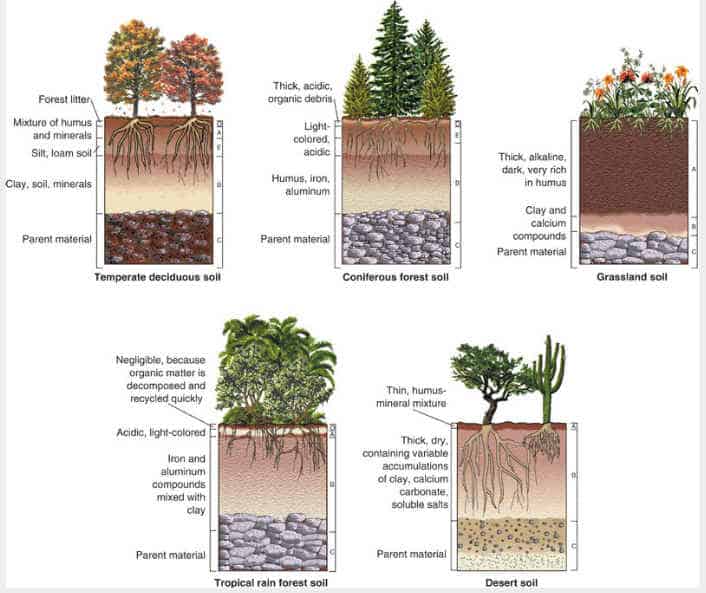
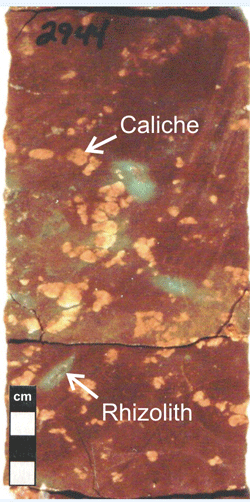
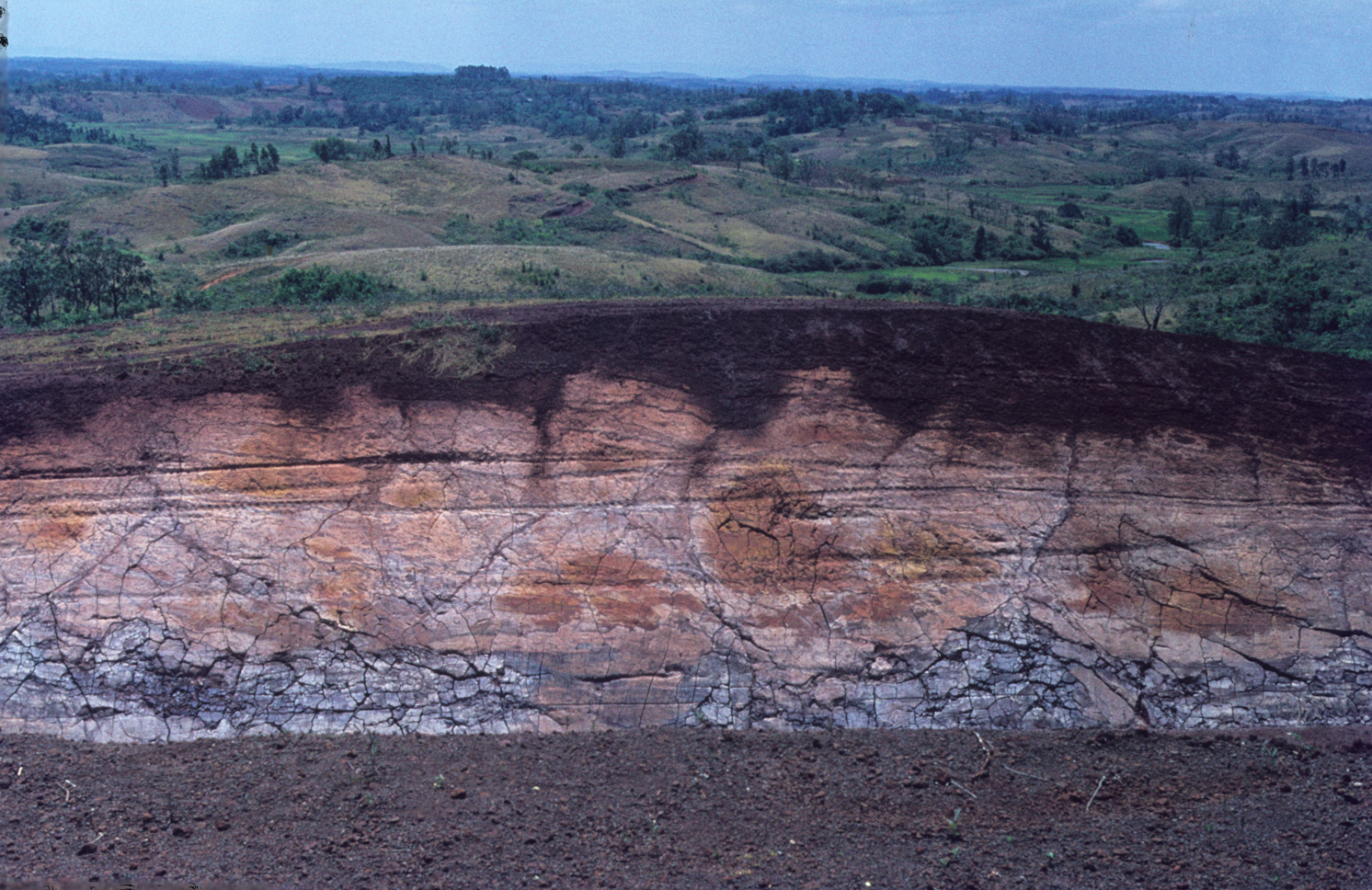
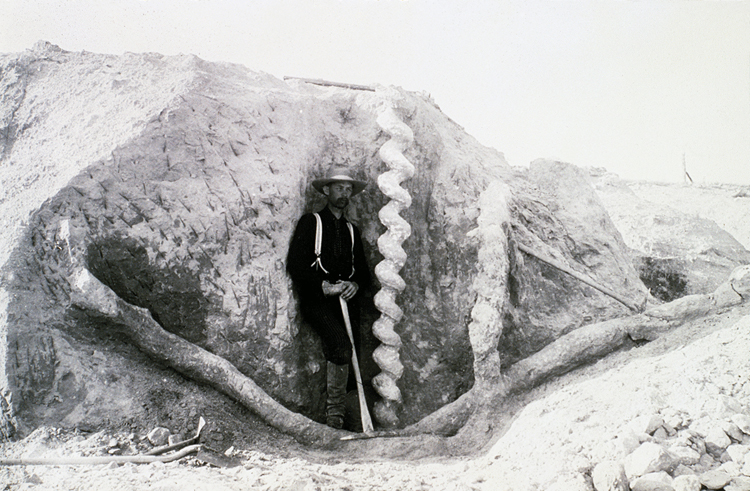
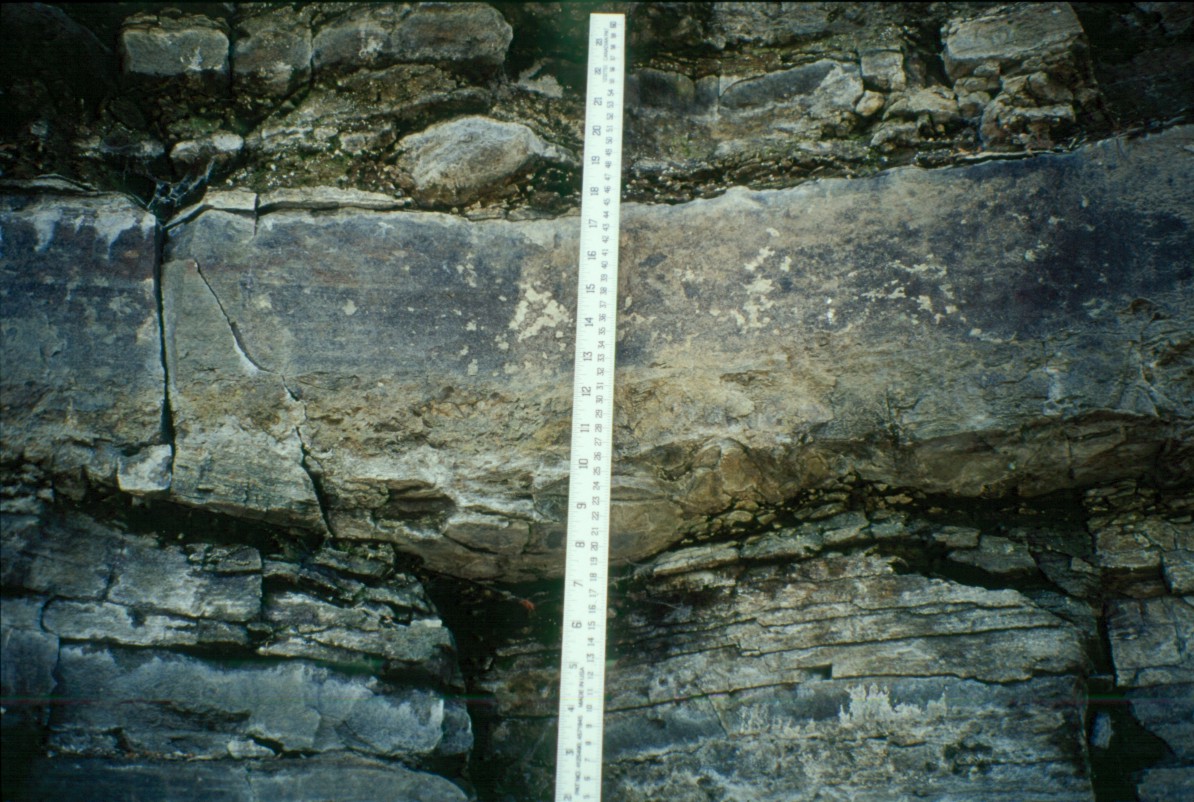
Paleosols -
Soils
- Formed by in situ erosion & weathering (no lateral transport); develop directly on
(and from) host rock
- Type determined by climate, biological activity, and host rock composition
- Some important paleoenvironment indicators from paleosols:
- Soils generated in many regions, but are self-destroying.
- So, paleosols are rare
Lacustrine - Lakes
- Opposite of soils: smaller area of Earth surface, but by definition are areas of
deposition, so well represented in rock record.
- Tend to have limited extent (although Lake Baikal/Great Lake-sized paleo-lakes can
leave huge deposits)
- Sediments become finer towards topological center.
- Low energy, poor oxygenation: bottom sediment generally poorly disturbed, so
laminae (very fine layers) common: preserved as shales
- Fine grain size and limited disturbance allows excellent preservation of fossils.
- Lake shales may be interrupted by bursts of bigger grain size (
tempestites or "storm deposits")
- Edges of lake deposits will have bigger grain size (silts & sands), bi-directional
ripple marks, mud cracks, trackways, etc.
Paludal - Swamp
- HIGH amount of biological activity, so rocks of high organic content
- Mixed muds & coal/peat/lignite, with some fluvial sediments cutting through
- Often associated with other environments (deltaic, fluvial, coastlines, etc.)
- Low energy
Glacial - Glaciers
- Vary in frequency throughout Earth history: very rare some periods, very common others
(i.e., ice ages).
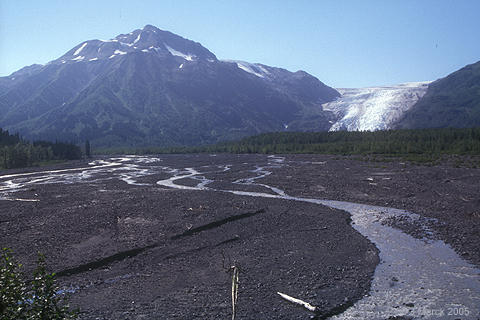
- MASSIVE erosive capability, MASSIVE transport ability.
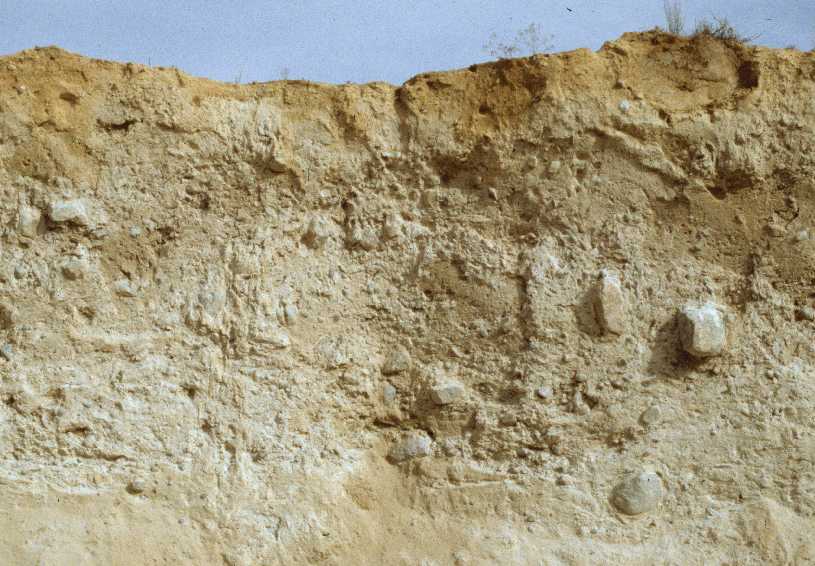
- Produces till (mixture of all particle sizes, from rock flour to boulders).
Till may be organized into
moraines or spread out as outwash. If tills
become lithified, become a conglomerate called
tillite.
- Leaves striations: grooves in bedrock.
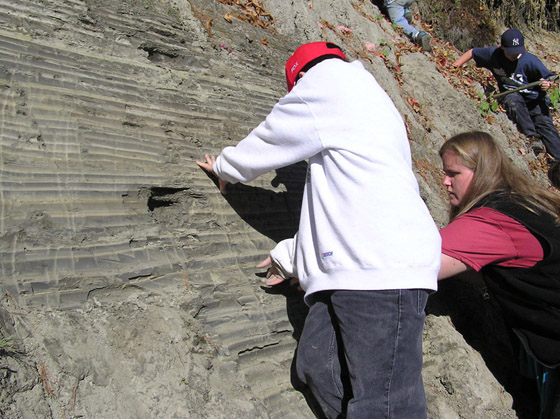
- Glacial lakes: contain annual/seasonal varves (alternating sand and
larger during melting, clays & organics during cold).
- In ocean sediments or larger lakes, leave dropstones (indicate icebergs)
- Loess - glacially-produced extremely fine grained material transported by wind
to another region
Desert environments
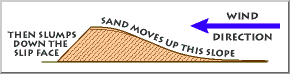
- Mostly eolian (wind transport), dominant lithology is sandstone
- Sand dunes advance along lee-ward side, but shifting winds
produce trough cross-stratification
- Playas - desert lakes, often with poorly-sorted sediments and evaporites
- Alluvial fans - Often form breccia
To Next Lecture.
To Previous Lecture.
To Syllabus.
Last modified: 26 January 2014