
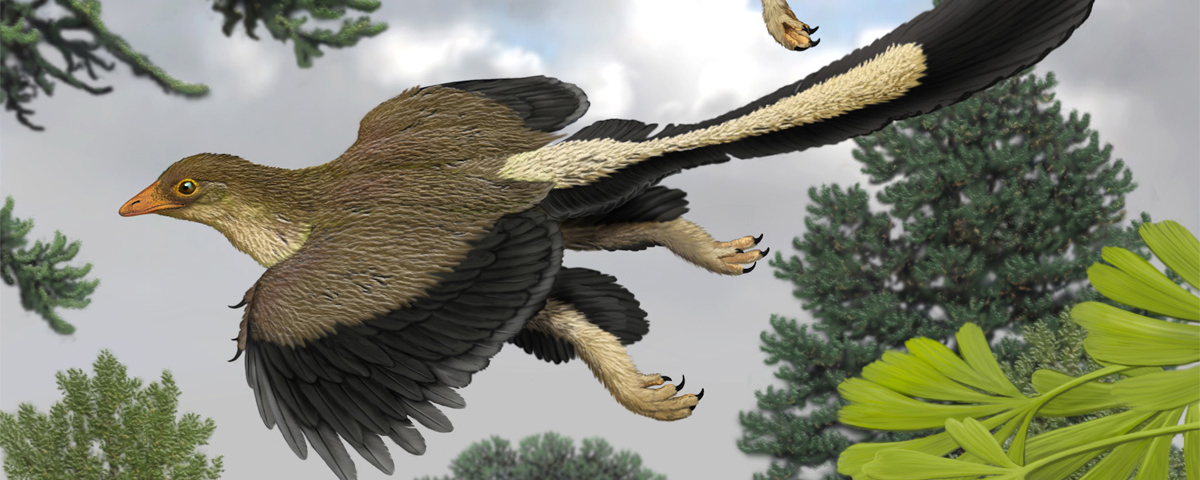
Key Points
- Avialae is the clade comprised of modern birds and those taxa closer to them than to Deinonychus.
- The oldest avialians--such as Jurassic Anchiornis and Archaeopteryx--lacked most of the flight adaptations of modern birds. But over the course of the Cretaceous in stepwise fashion different groups of avialians evolved more sophisticated flying features.
- During the Cretaceous, many different clades within Aves ("birds") were present; this includes the rise of Neornithes ("new birds"), the extant clade of birds.
Avialae, the Bird Winged Dinosaurs
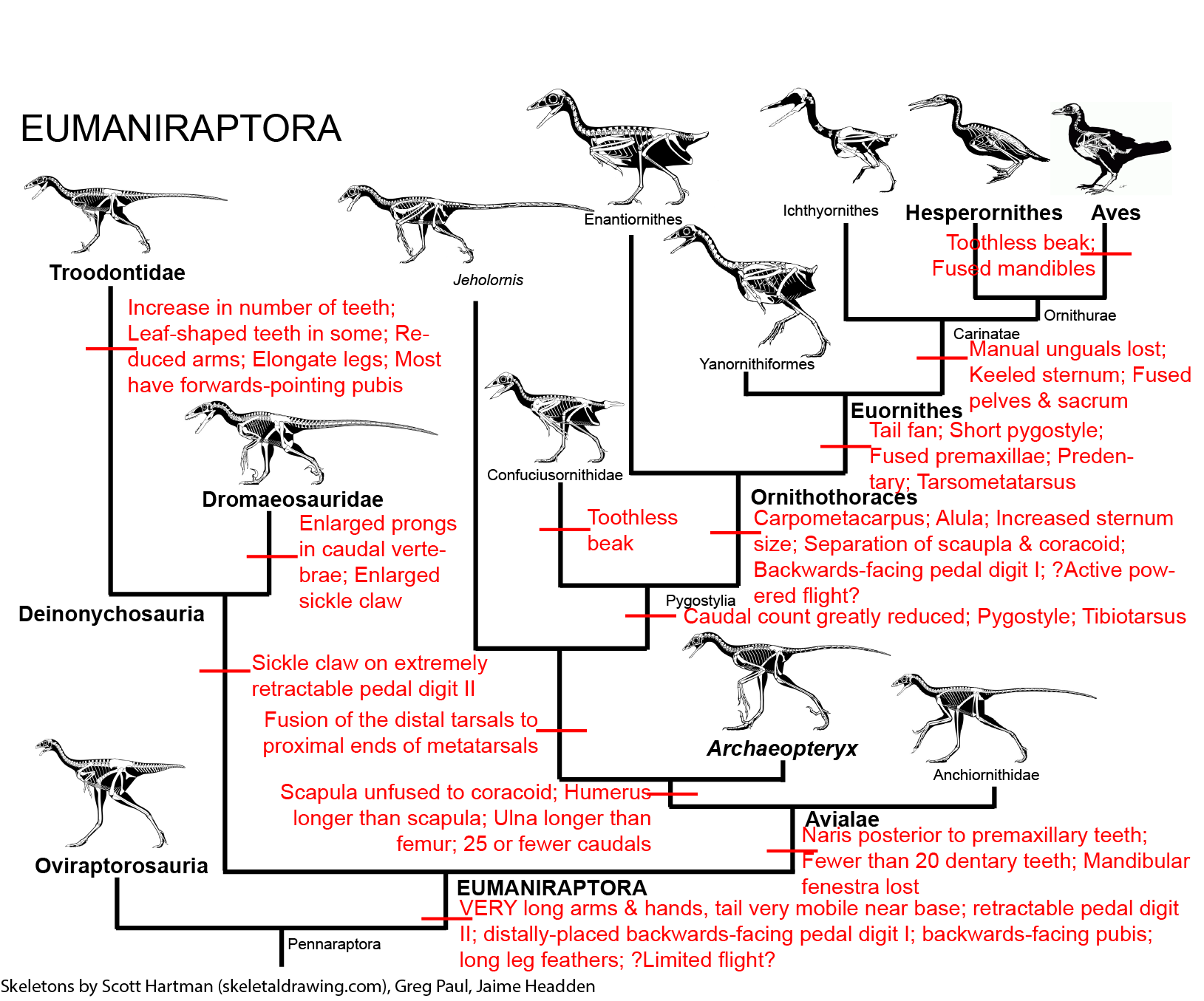
Simplified cladogram of Eumaniraptora
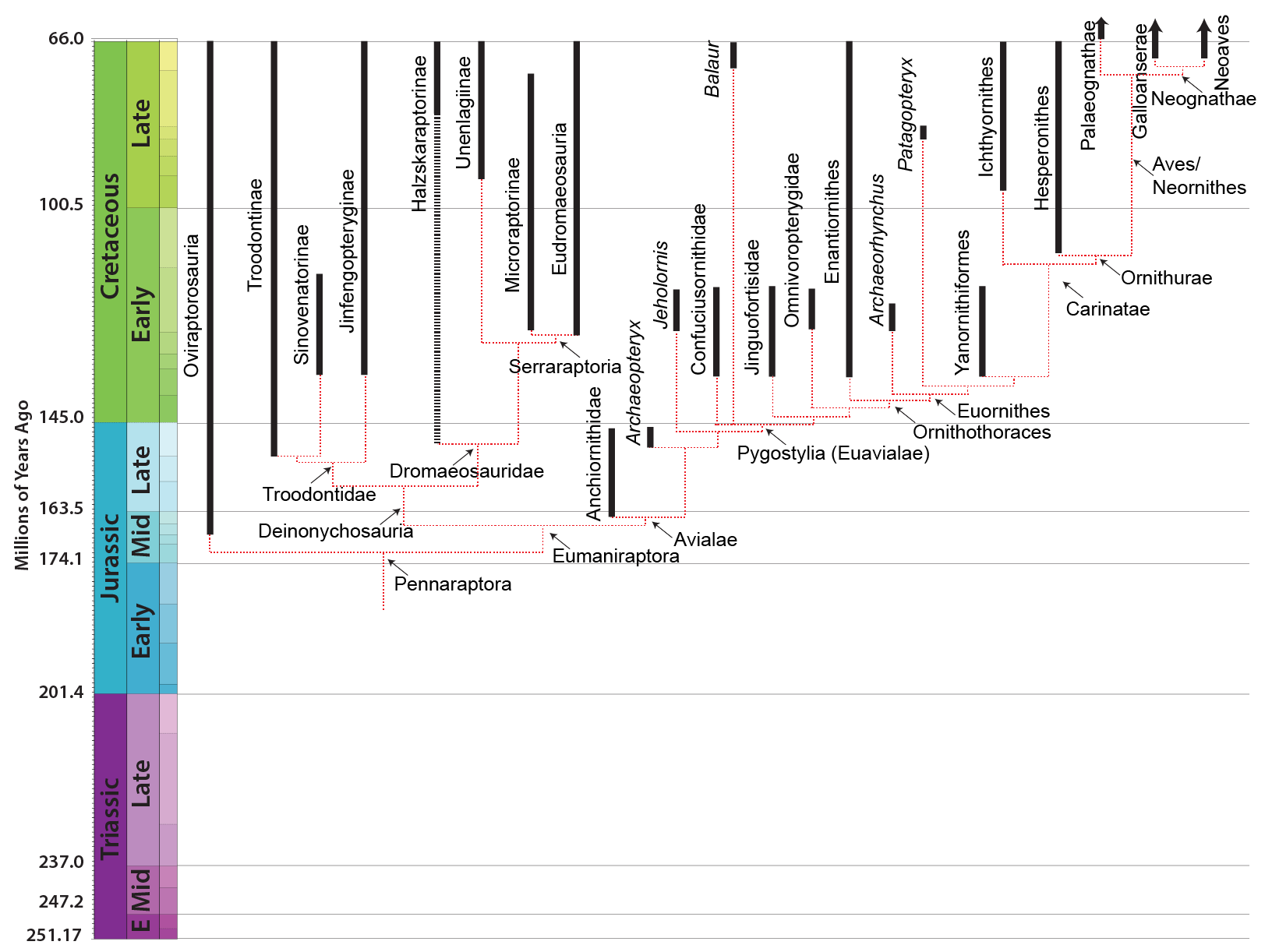
More detailed phylogeny of Eumaniraptora
The last group of eumaniraptorans are the Avialae ("bird wings"), or "birds, broadly defined". As the anchiornithids seem to be avialians, this clade is known from the earliest Late Jurassic (or maybe really the latest Middle Jurassic) onward.
Using the phylogeny here, the basalmost known clade of Avialae are the Unenlagiidae, discussed last lecture. (As noted there, some studies find the unenlagiids were in Dromaeosauridae, and therefore not avialians.)
As mentioned last lecture, some of the traits that unite Avialae (including Unenlagiidae) include:
- A quadrate that slopes anteroventrally, so that its ventral end is far anterior to its dorsal end
- Loss of tooth serrations
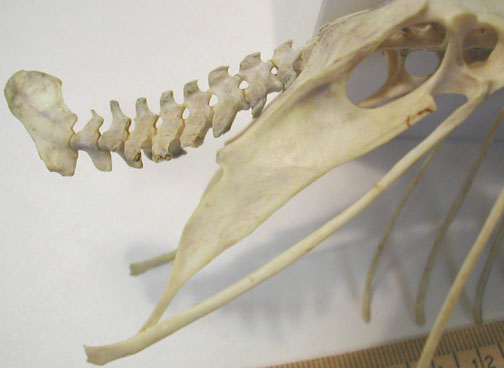
- Six or more sacral vertebrae
The best-studied, and longest-known, basal avialian (indeed, the longest-known Mesozoic eumaniraptoran) is Late Jurassic is Archaeopteryx. Some paleontologists regard this as a single genus and species (A. lithographica); others divide it up into several genera (Archaeornis, Jurapteryx, Wellnhoferia, as well as Archaeopteryx). Other studies find there to be a few (3-4) species within the genus Archaeopteryx; we'll follow that taxonomy here.
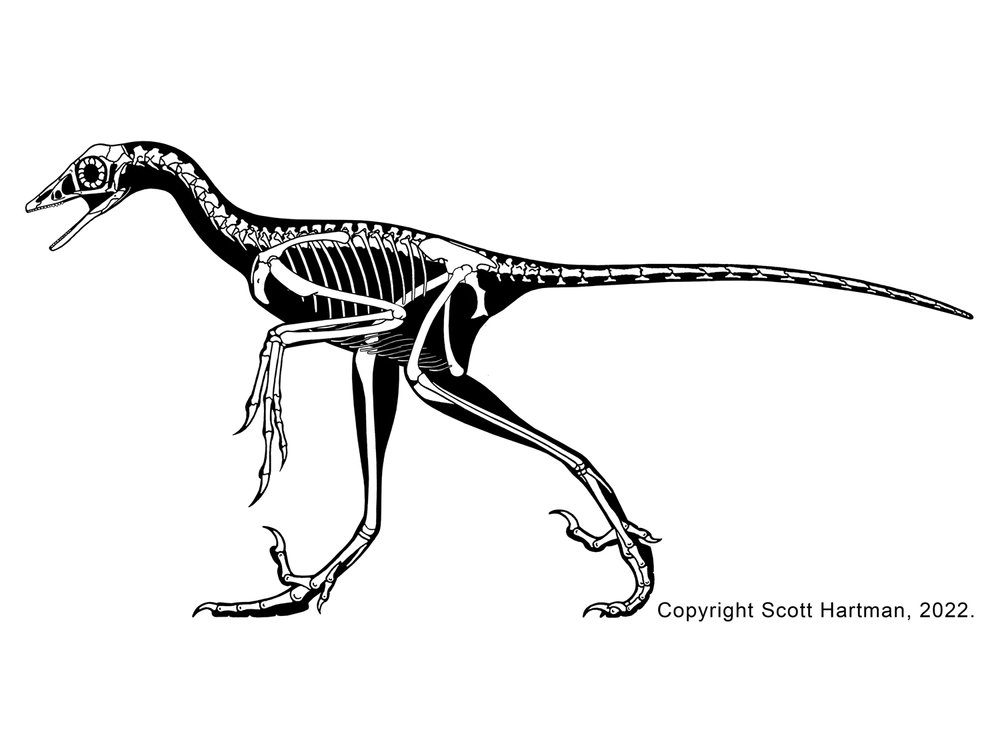
The first and second specimens of this theropod were the first fossil skeletons with feathers ever discovered (in the 1860s and 1870s). Indeed, these were the first good maniraptoran fossils of the Mesozoic ever found. Consequently, Archaeopteryx has spent most of the last century and a half being considered a "bird". But as pennaceous feathers have been found in other theropods, and the skeletons of basal dromaeosaurids, troodontids, and unenlagiids have been discovered, the "birdiness" of Archaeopteryx has decreased.

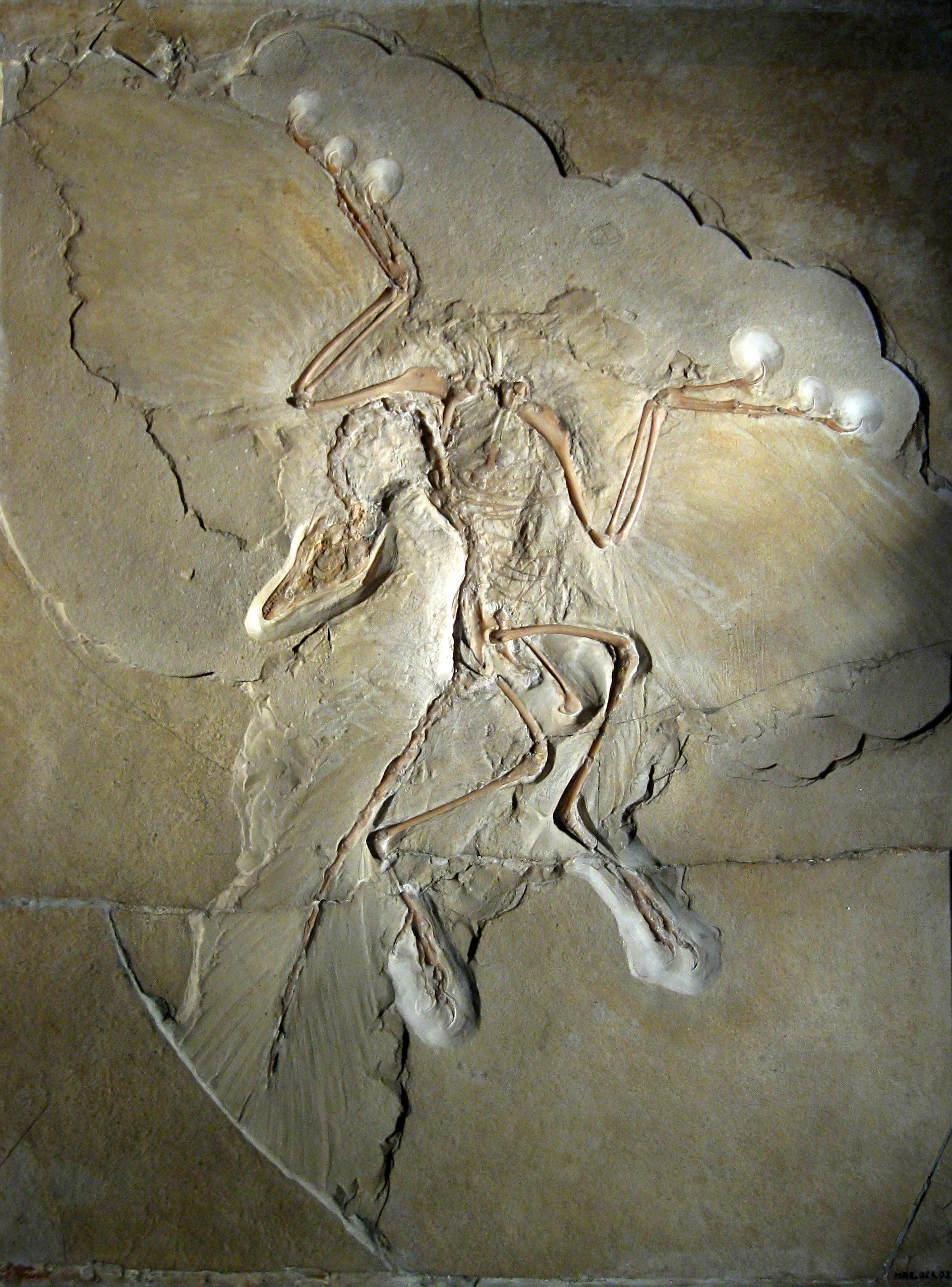
Archaeopteryx came from the Late Jurassic of Europe. Isolated bones from western North America of the same age might be from a same or similar taxon; they may instead be from anchiornithids.
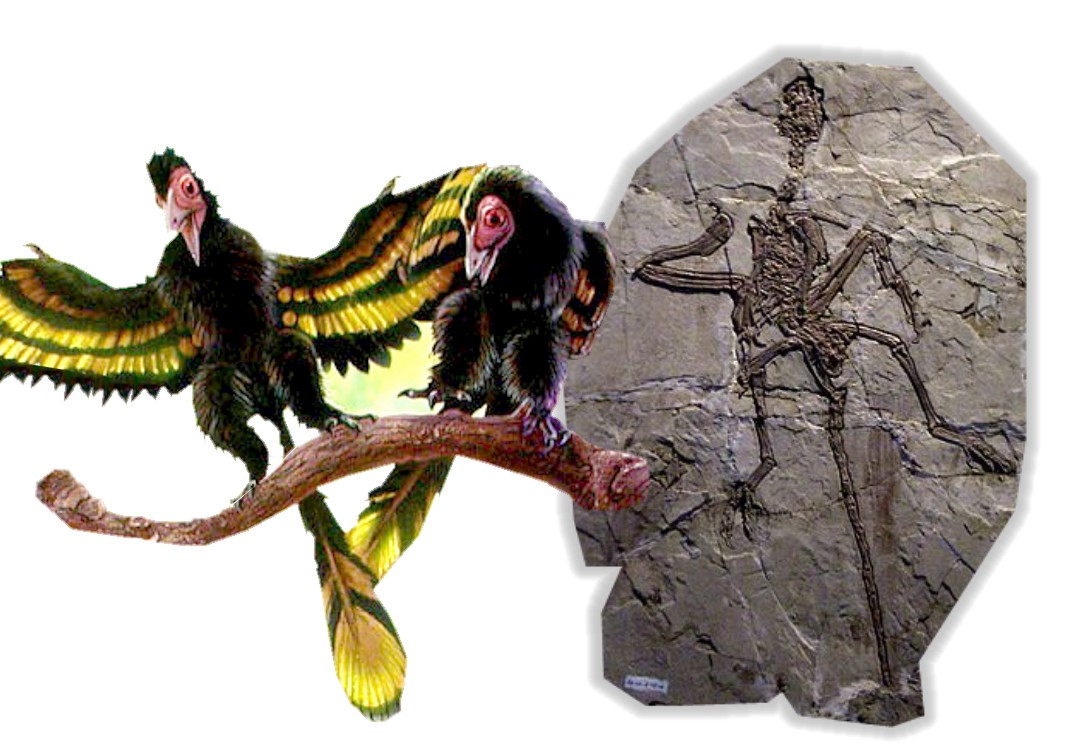
In the last few decades a series new taxa have been found in China which seem to be closer to each other than to all other known taxa. These were once thought to form a clade with Archaeopteryx (Archaeopterygidae), but other studies placed them as a clade of basal troodontids. These are the Anchiornithidae. The are best known from the latest Middle Jurassic/earliest Late Jurassic Anchiornis, which shows the presence of long leg feathers as in Archaeopteryx, basal dromaeosaurids, and various basal birds; Xiaotingia; Aurornis; and Eosinopteryx. It has recently been suggested that one "Archaeopteryx" specimen from the Late Jurassic of Germany is actually an anchiornithid, given the new name Ostromia. Anchiornithids were first thought to be avialians basal to Archaeopteryx, then to be basal troodontids, then as archaeopterygids, and now back as basal avialians!
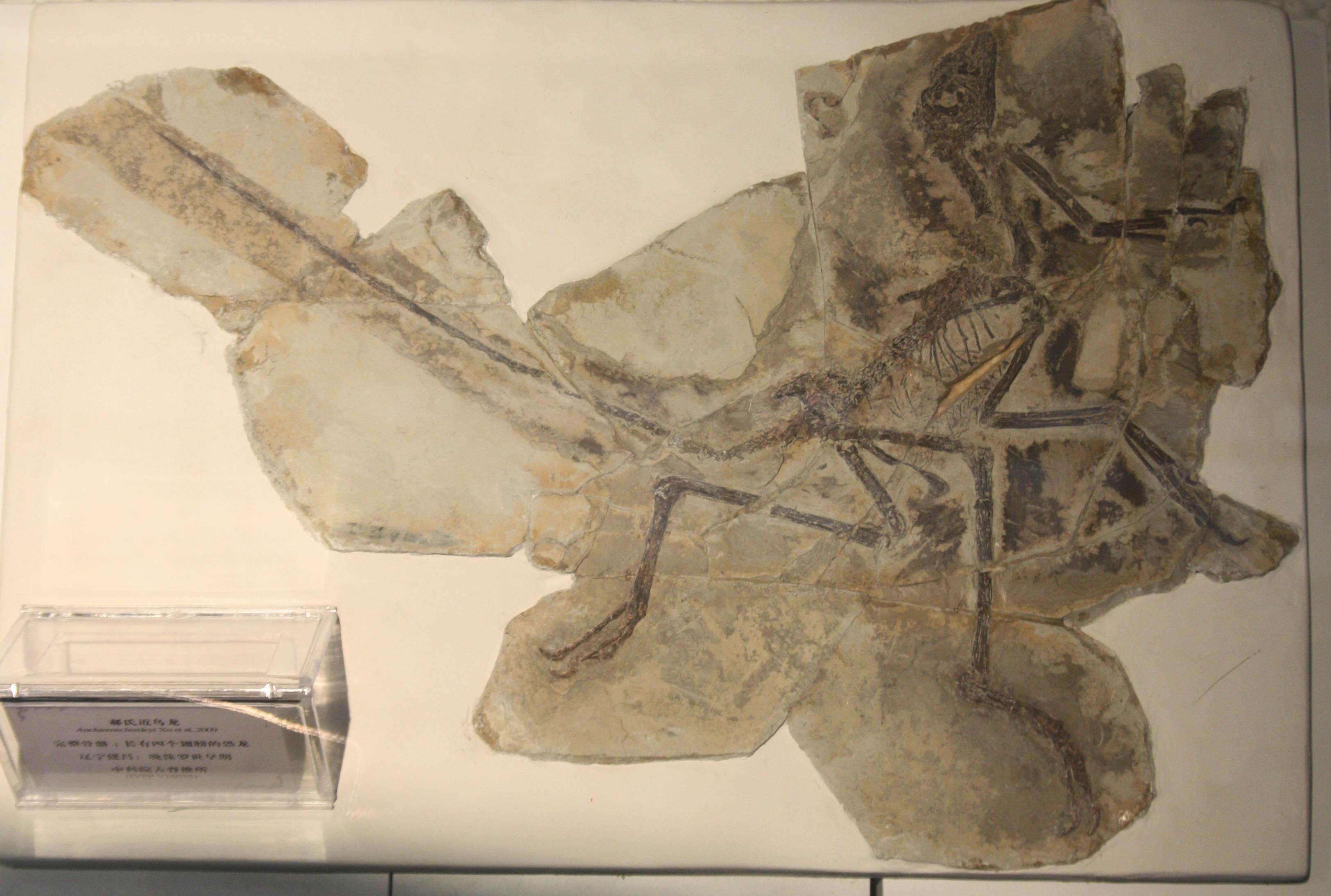

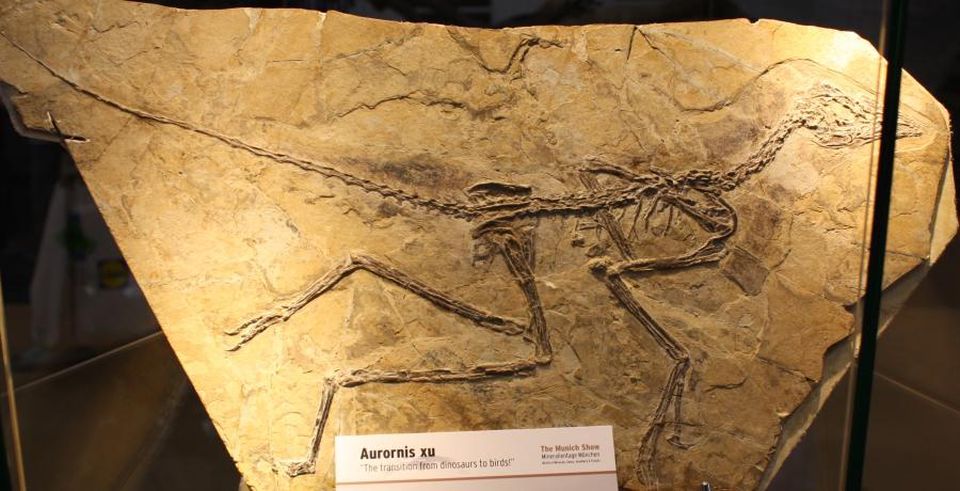
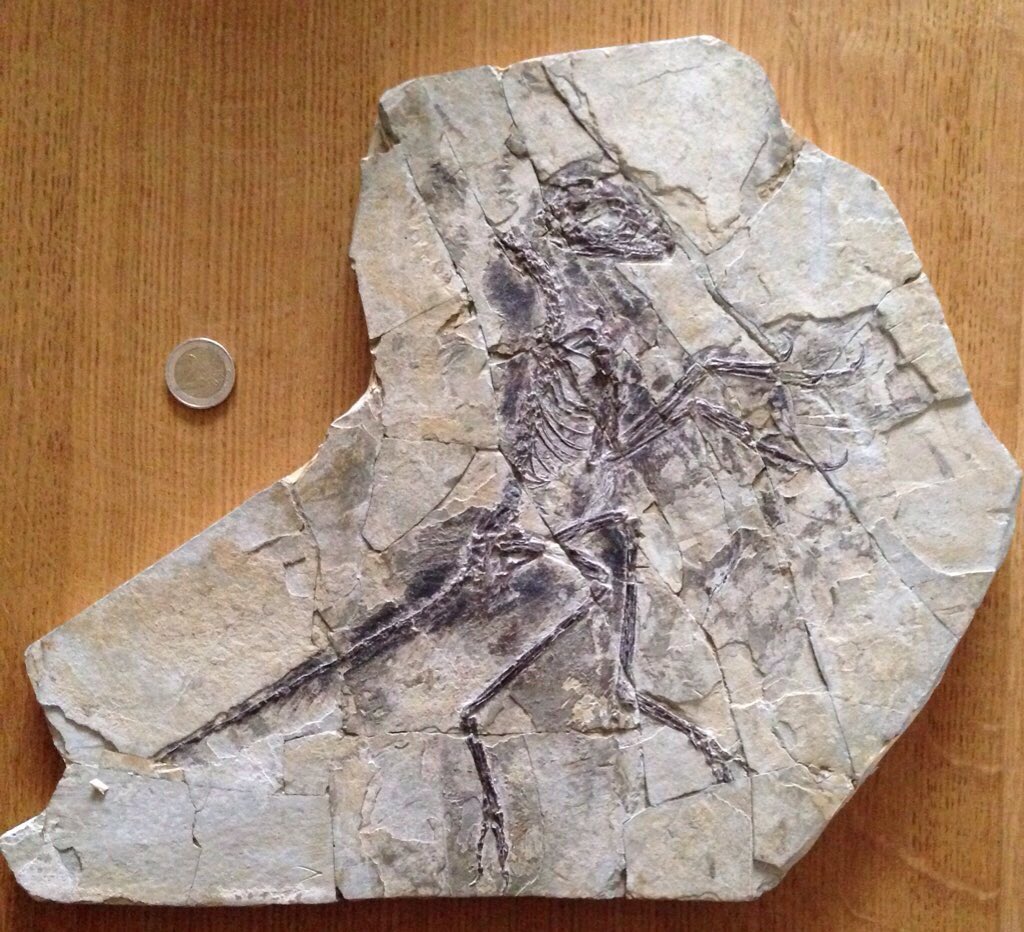
Anchiornis is known from literally hundreds, if not thousands, of specimens (rivaling Confuciusornis as the Mesozoic theropod known from the most specimens). Research on this dinosaur is ongoing: it has already revealed phenomenal levels of soft-tissue preservation. Some of the other small eumaniraptorans from the same quarries (Aurornis, Eosinopteryx, Xiaotingia, and others) may just be specimens of Anchiornis.
Despite some artistic and scientific reconstructions, there is at present no strong evidence that basal avialians were any better at flight than were dromaeosaurids like Microraptor and the unenlagiine Rahonavis. Indeed, based on the shape and orientation of the shoulder joints, there is positive evidence that the basal avialians were in fact not very good at powered flight. We'll talk more about this next lecture.
Newer specimens and newer analyses typically support anchiornithids as basal to Archaeopteryx and derived birds. The traits that unite the Anchiornithidae + Aves clade include:

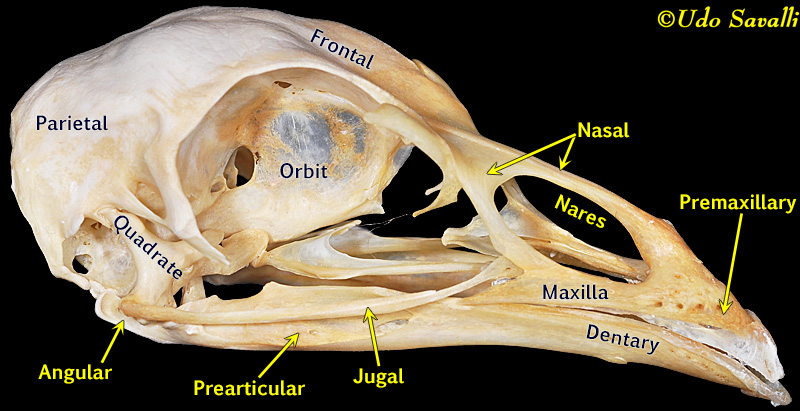
- Naris is entirely posterior to the premaxillary teeth
- Fewer than 20 dentary teeth
- Mandibular fenestra lost
This year, I am following the advice of a recent study based on a brand new Archaeopteryx specimen in terms of taxonomy, and use the name Aves ("birds") for the Archaeopteryx> + modern bird clade. There is a long history of this usage. That said, some (including me, in past years!) followed a taxonomy where "Aves" was restricted to the clade comprised of the concestor of all living birds and all of its descendants. (We will use the other name for that clade here: Neornithes, or "new birds").

Traits that unite Aves (as used here) include:
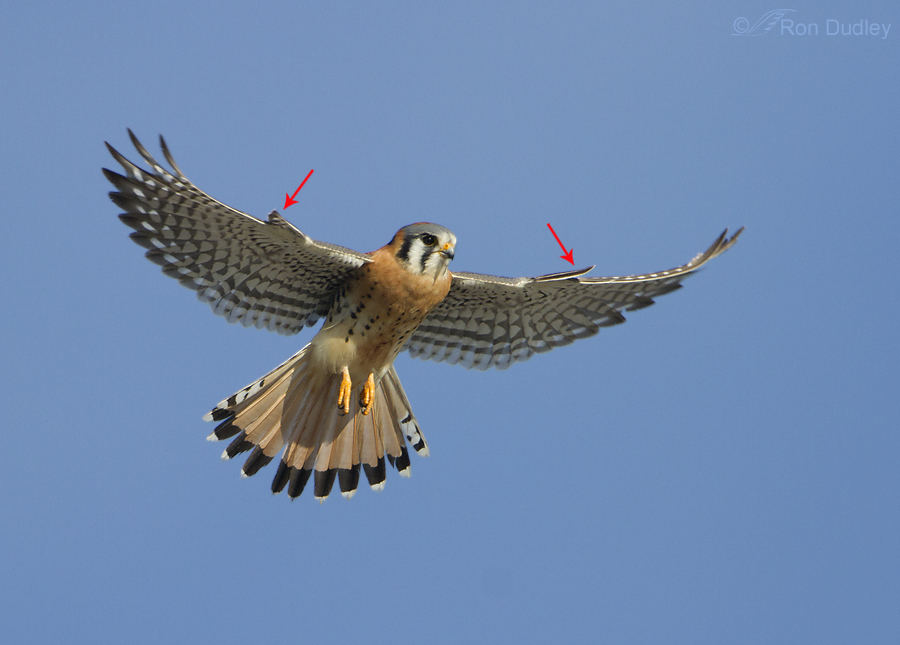
- Scapula unfused to the coracoid in adults (typically fused in dromaeosaurids and more basal theropods; a few Mesozoic bird groups actually retain or re-evolve fusion)
- Humerus longer than scapula
- Ulna longer than femur
- 25 or fewer caudals
Beyond anchiornithids and Archaeopteryx, the only definitive avialian in the Jurassic was the recently-described Baminornis of China. Initially described as having a short tail with a pygostyle (more about this feature momentarily), reexamination shows this feature was misinterpreted and it likely retained an Archaeopteryx/Anchiornis-like tail.
During the Early Cretaceous, the number of avian clades and species greatly increases. Much of our knowledge of the basal avians comes from China. Jeholornis (also called "Shenzhouraptor": both names were proposed within weeks of each other; and another taxon Jixiangornis may also be the same) may be the most primitive avian other than Archaeopteryx and Baminornis. It was chicken-to-turkey sized, and gut contents show that it ate both seeds and fish. Like the dromaeosaurid Microraptor, Jeholornis had long tail feathers at the end of its tail; however, it also had a cluster of long feathers at the base of the tail.
Bizarre double-sickle-clawed Balaur of Late Cretaceous Transylvania was first thought to be a velociraptorine dromaeosaurid, but some studies place it as a late-surviving long-tailed avialian. If so, it represents a kind of "extinct living fossil": a form very much more primitive anatomically than the other avians living in its latest Cretaceous world.
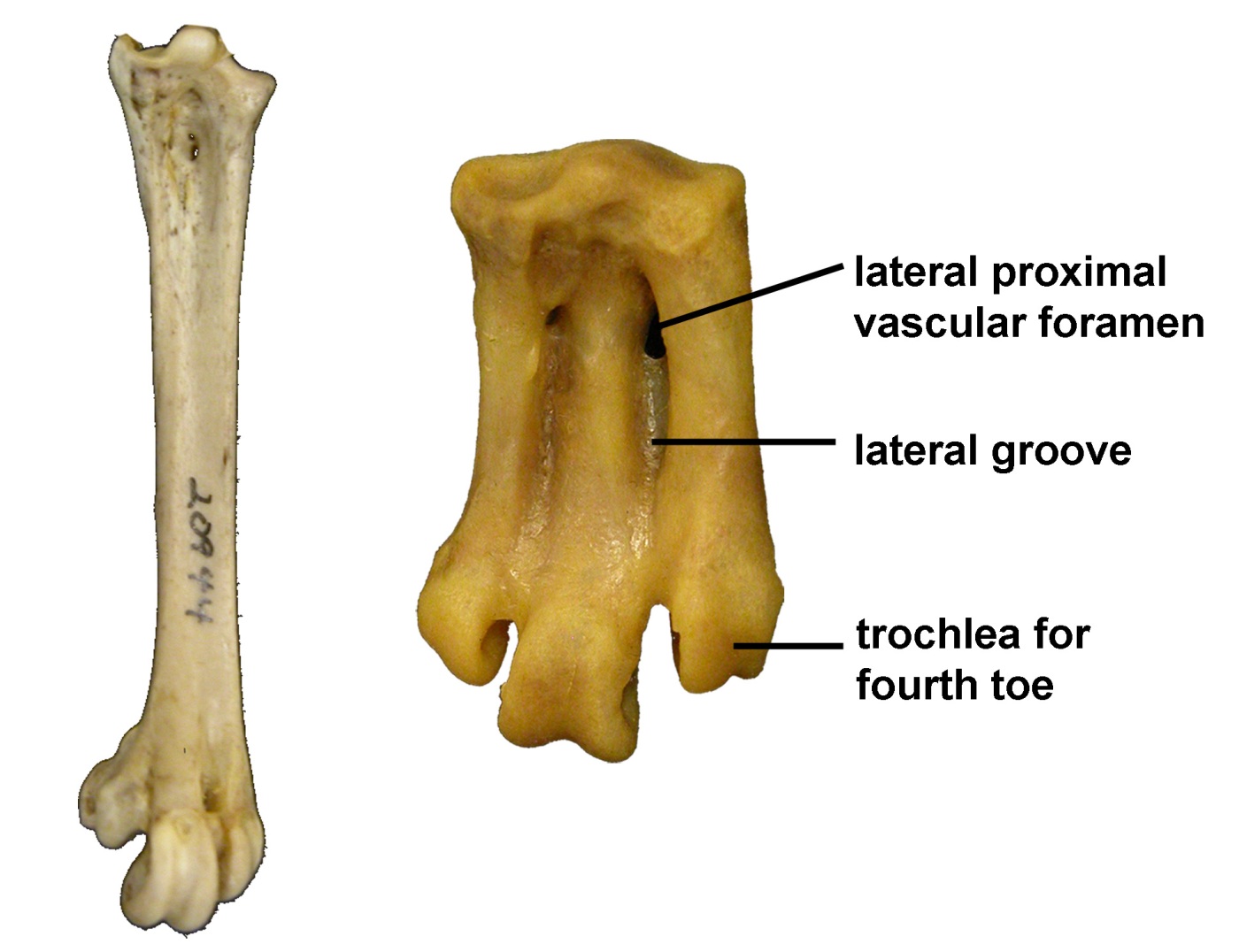
The clade containing Jeholornis and all more derived avialians (Euavialae: "true Avialae") are characterized by fusion of the distal tarsals with the proximal end of metatarsals II-IV.
The clade Pygostylia ("pygostyle ones") is comprised of all descendants of the concestor of Confuciusornithidae and modern birds. This group is further transformed from basal avialians by:
A note on pygostyles: although they are fused in adult birds, even in the modern world embryos and juveniles still have separated bones in the tail. This means when we find fossils without pygostyles it doesn't necessarily mean that they branched off before the origin of this trait: they may simply have been juveniles! Also, pygostyles are NOT limited to the clade Pygostylia: there are individual ornithomimosaur, oviraptorosaur, and therizinosaur genera which independently evolved a primitive versions of it.
Phylogenetic relationships among the basal branches of Pygostylia remaining confused at present, and different analyses result in different alternatives.
The Confuciusornithidae of Early Cretaceous eastern Asia are best known from Chinese Confuciusornis. Literally hundreds (if not thousands) of specimens have been discovered, making this crow-sized pygostylian the most common Mesozoic dinosaur fossil. Like modern birds, confuciusornithids had a toothless beak: however, this was convergent with Aves, since the branches between Confuciusornithidae and Aves are all toothed. These may have been at least partially plant- or fruit-eating (they co-occur with the oldest fruit!), but at least some confuciusornithids have fish in their gut contents.
Unlike Neornithes and their closest kin (together, the clade Euornithes, or "true birds"), there was no tail fan in the Confuciusornithidae. Instead, most specimens show no major tail feathers, while others show two very long ones. Perhaps these were sexual signals, or growth indicators, or simply lost in the tail-featherless ones.
The hand of confuciusornithids was still a perfectly good grasping organ.
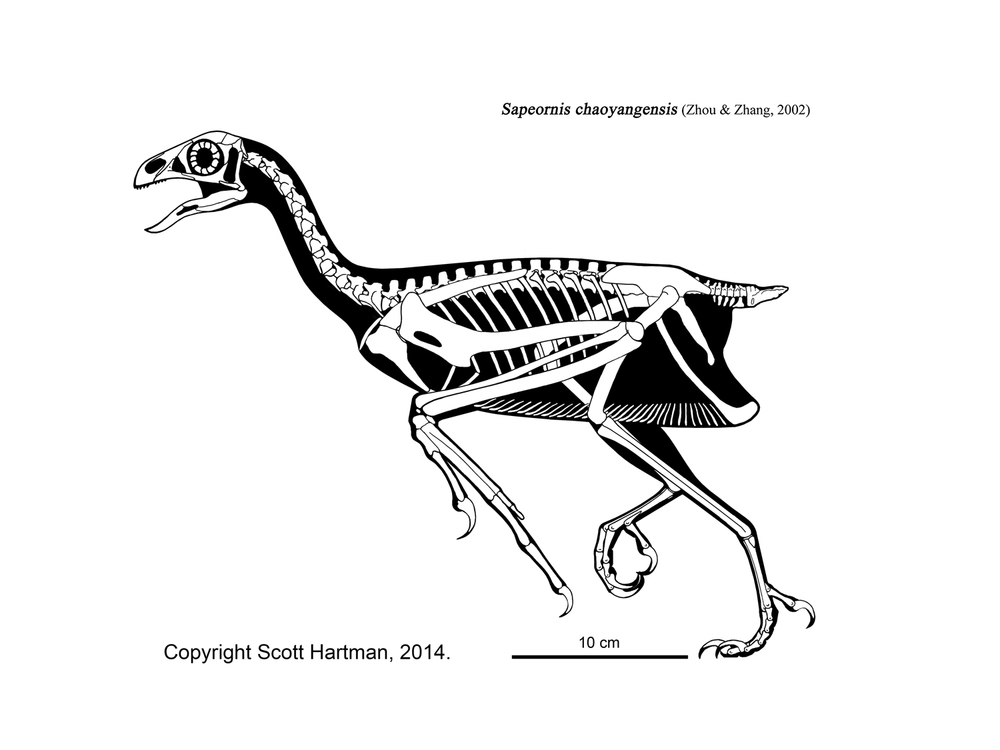
More derived (in at least some analyses) are the Omnivoropterygidae (sometimes called "Sapeornithidae"). They have numerous feathers coming off of the pygostyle, but not the sophisticated tail fan of euornithine birds. At present, all known definite omnivoropterygids are from a single formation (Jiufotang Formation of China), although a few other Cretaceous forms have been proposed as additional members of this clade. At least some have stubby blunt teeth at the front of their snouts, suggesting a diet of seeds, fleshy parts of plants, and/or small invertebrates. In some recent studies omnivoropterygids were found to be even more basal: more distantly related to modern birds than is Jeholornis. A systematic survey of hundreds of specimens failed to find an ossified sternum on these dinosaurs (the same is true for Anchiornis and for Archaeopteryx).
Another primitive Early Cretaceous pygostylian clade is the Jinguofortisidae. Their hands are more reduced than other typical primitive avialians, but this is convergent with modern birds, as many of the taxa more derived than jinguofortisids have semi-grasping hands.
The remaining pygostylians form the clade Ornithothoraces ("bird chests"). These theropods are further derived in possessing:
The hands of ornithothoracines lacked grasping ability, having become true wings. I think from this point on up the cladogram, it is perverse not to call these animals "birds".
There are two main branches of Ornithothoraces: Enantiornithes and Euornithes.
The "opposite birds", Enantiornithes have a range from the early Early Cretaceous through the end of the Cretaceous. They seem to have been the most diverse and abundant group of birds during their history. Most enantiornithines were toothed, but several independently evolved toothlessness. Some may have been insect eaters, some fish eaters, some fruit or seed eaters, and possibly even some meat eaters. The smallest were sparrow-sized; the largest, eagle-sized (and thus the largest flying birds of the Mesozoic). They have been recovered from all over the world, and environments from deserts to shores.
Enantiornithes retained small claws on the manus, but these were greatly reduced compared to earlier avialians. Despite many depictions to the contrary, enantiornithines do not seem to have the tail fan of feathers which characterize modern birds, and at most of a pair of long tail feathers (though rarely as long as those of confuciusornithids).
Modern birds and everything closer to them than to Enantiornithes form the clade Euornithes ("true birds": also known as "Ornithuromorpha" or "Ornithuraemorpha"). Transformations relative to basal bird groups include:
Among the early branches of Euornithes are the seagull-sized fish-eating Songlingornithidae and Honshanornithidae (collectively the Yanornithiformes) of the Early Cretaceous of China and the flightless Patagopteryx of Late Cretaceous Argentina. Limited remains of a possible very large (140 kg) flightless euornithine, Gargantuavis are known from the Late Cretaceous of Europe.
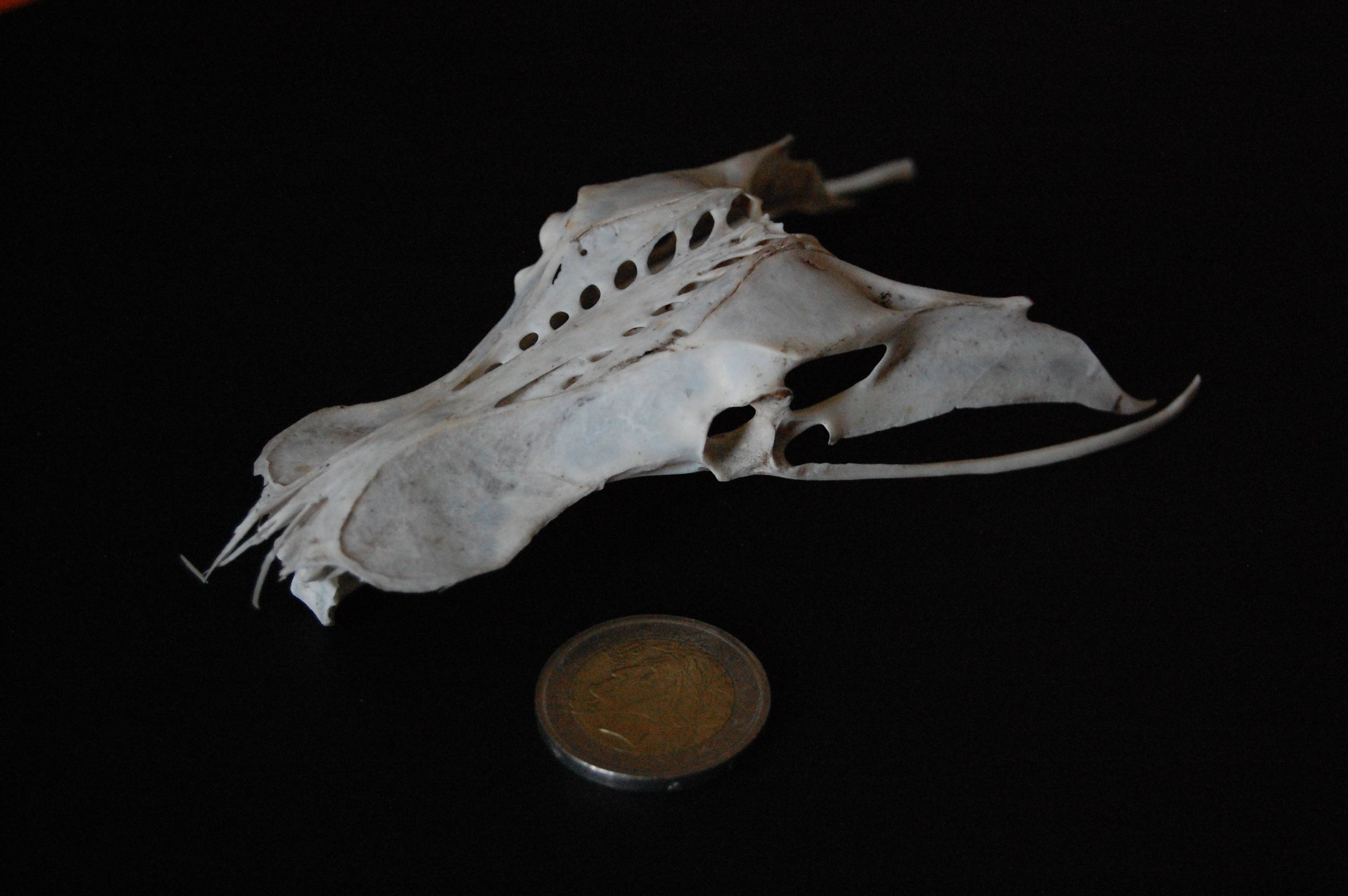
Even more derived are the Carinatae ("keeled ones"), characterized by:
Primitive Cretaceous Birds
Ornithothoraces, the "Birdy" Birds
Euornithes, the "True" Birds









A notable Late Cretaceous toothed carinate is Ichthyornis of the seas of the American Midwest. Recently discovered Janavis is a newly described larger ichthyornithine from the very end of the Cretaceous. (It is worth noting that some studies reverse the order of this: Ichthyornithes is closer to Aves than are hesperornithines, and Carinatae is thus within Ornithurae!)


Derived within the carinates are the Ornithurae ("bird tails"), in which the premaxilla makes up the majority of the upper jaw. One (extinct) branch of the ornithurines were the aquatic Hesperornithes (sometimes called "Hesperornithiformes"). Early hesperornithines (such as Early Cretaceous Enaliornis) may have still have had the power of flight, but later ones greatly reduced their wings. In fact, the most specialized forms lost their forearms altogether, with only stumps of humeri for wings. These latter include Hesperornis of the Late Cretaceous of the inland seas of North America and Russia. Even these advanced birds still retained teeth.


The most speciose branch of ornithurines is Neornithes.
"Birds" in the strictest sense: the concestor of modern birds and all of its descendants. Some paleontologists prefer the name "Aves" ("new birds") for this clade instead. Neornithines are distinguished from other carinates by:
Neornithes, the Modern Birds
The oldest members of Neornithes are from the latest Cretaceous. The major groups of Aves (a clade that today contains more than 11,000 species, and prior to the Polynesian expansion over the last 2000 years were probably at 13,000 species or more!) include:
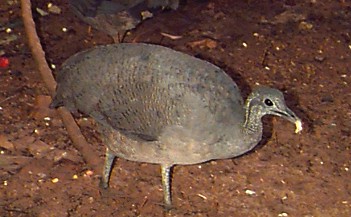
- Palaeognathae: containing the Cenozoic tinamous and the flightless ratites
- Neognathae: all other birds, divided into:
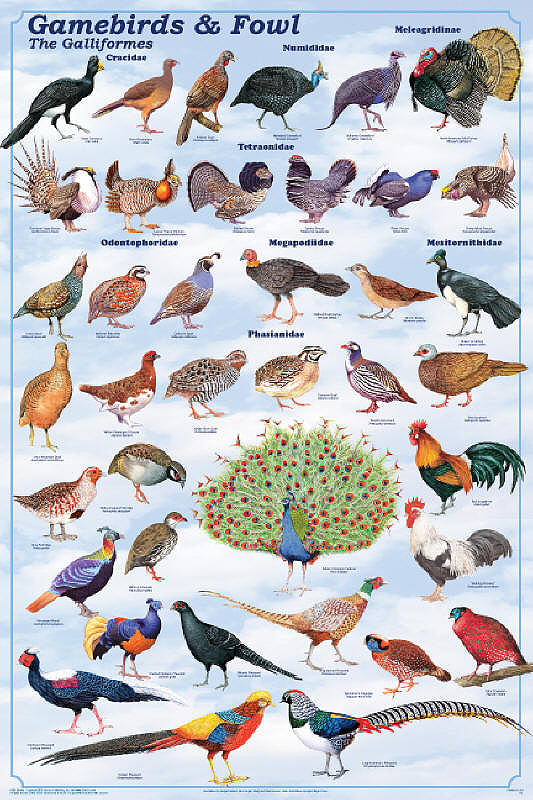
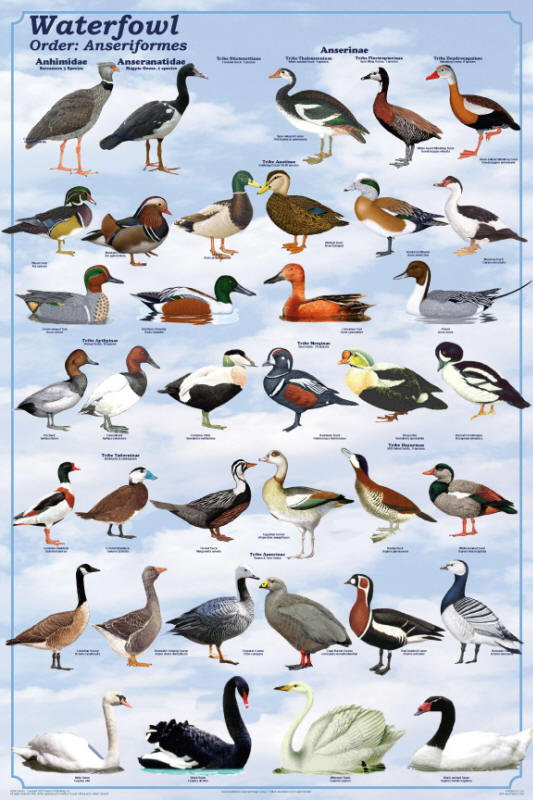
- Galloanserae: the Galliformes ("fowl" such as chickens, pheasants, and turkeys) and Anseriformes ("waterfowl": ducks, geese, swans)
- A basal galloanserine, Asteriornis is known from the latest Cretaceous of Europe
- Neoaves: all remaining birds. A set of recent, very large studies has begin to find the structure within Neoaves:
- Strisores ("buzzers"), including a diverse bunch of land birds which spend most of their waking time flying, including hummingbirds, swifts, and goatsuckers
- Columbaves ("dove birds"), including pigeons, bustards, cuckoos, and more
- Gruiformes ("crane forms"), cranes and their kin
- Aequorlithornithes ("water & shore birds"), including many wading birds, shore birds, open-sea fliers (pelicans, albatrosses, etc.), and penguins
- Telluraves ("land birds"), including the birds of prey, song birds, parrots, woodpeckers, and many, many, many more


And with Neornithes, we have finished our review of dinosaurian diversity!
Neornithes is the only clade of Dinosauria to survive the great extinction.
Evolutionary Trends in Avialae
Feeding adaptation transformations
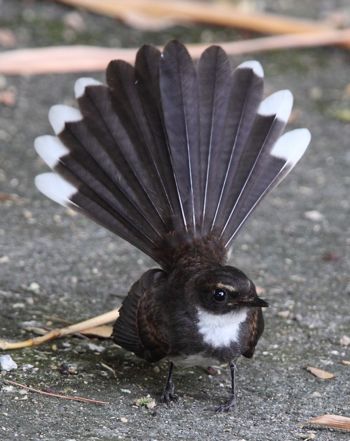
Among Avialae, many different modes are found (and if we were to examine modern Aves, we'd see phenomenal diversity: from hummingbirds to flamingos to boobies to parrots)
Terrestrial locomotory adaptations
- Ancestrally, maniraptorans show adaptations towards knee-flexion instead of simple femur-and-tail powered striding
- Small eumaniraptorans may have been able to perch on tree limbs, and that is certainly the case for ornithothoracines/li>
- Nearly all avialians have relatively good running ability, except for some very specialized forms (hesperornithines, many water birds, hummingbirds and swifts, etc.)/li>
Miniaturization (and a little Gigantism)
- Early eumaniraptorans were crow-sized, smaller than their outgroups
- The ornithothoracines underwent a miniaturization to sparrow-to-pigeon size, perhaps associated with the development of fully-powered flight
Correlated Progression
This issue is best dealt with next lecture, as one of the main selective forces seems to be that marvelous dinosaurian success story: the conquest of the air!
Supplementary Video