Laboratory Research

Improved Model of Outer Core 1D Structure

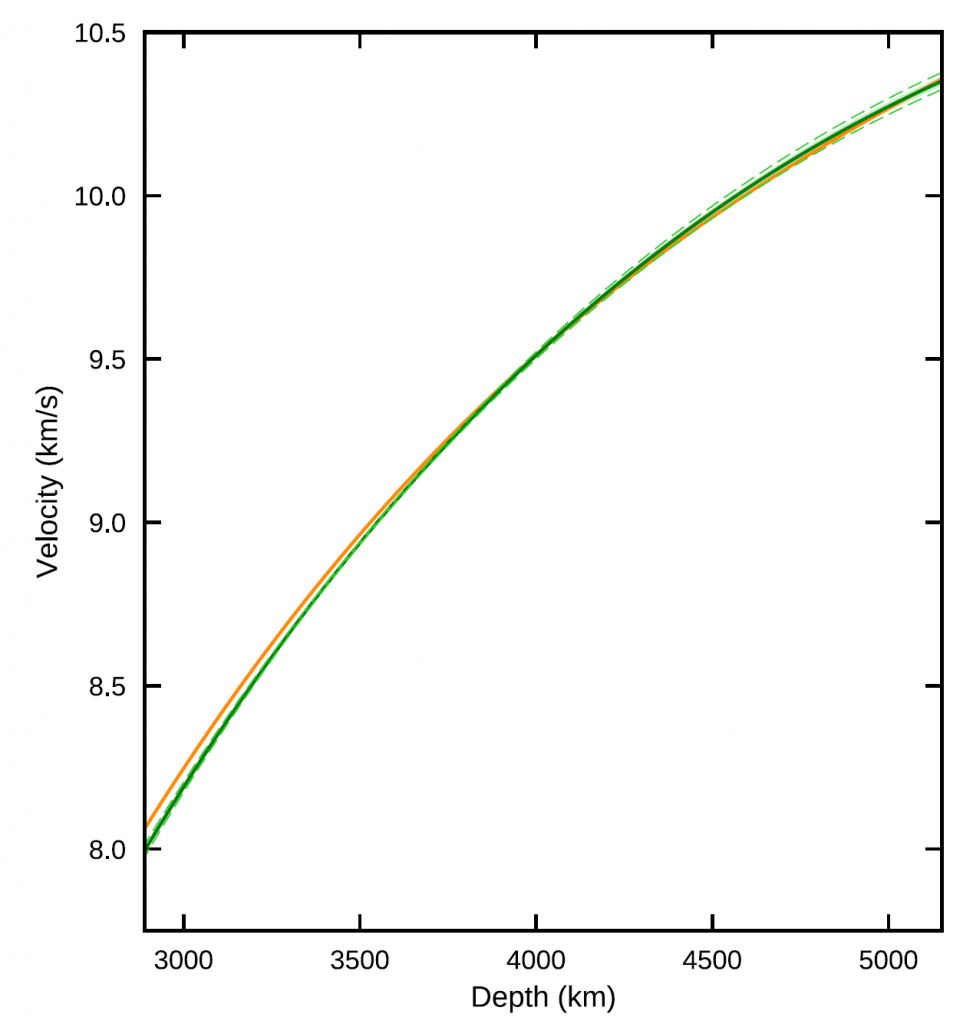
We have published a new model of 1D structure of the outer core, parameterized using two different equations of state: Irving_Cottaar_Lekic_2018 Brief highlights: We infer the seismic properties and equation of state of the outer core using Earth’s oscillations We address a longstanding discrepancy between high and low frequency investigations of the outer core Our work […]

Improved Model of Outer Core 1D Structure Read More »
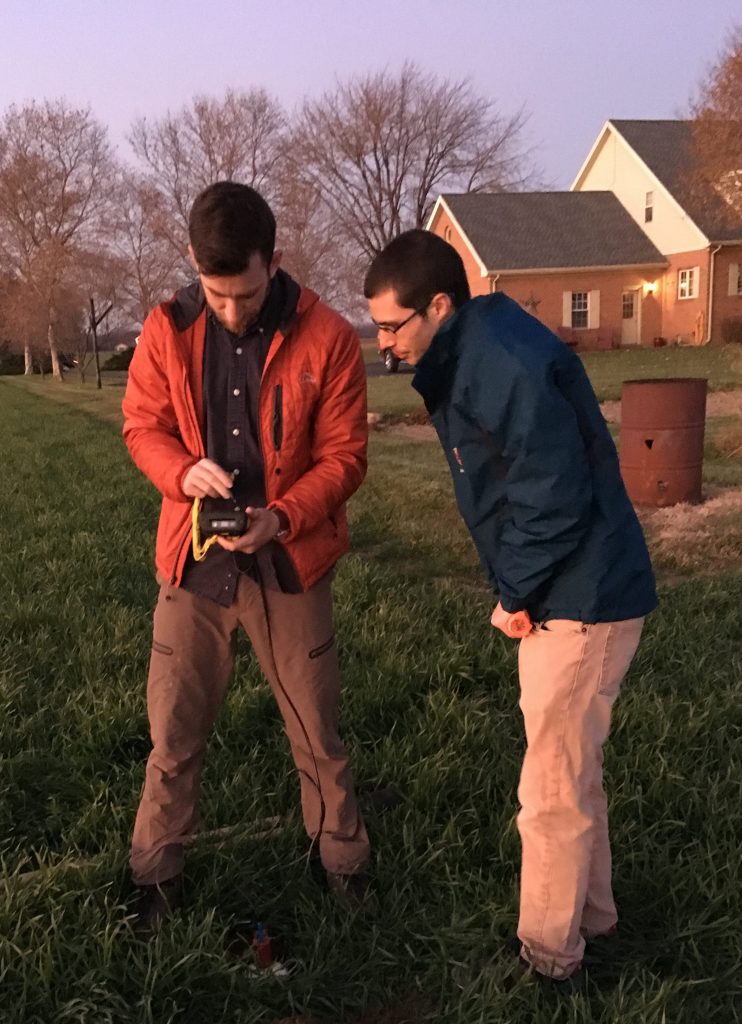
Phillip Goodling (right) and Pete Meehan (left) are deploying an instrument.

Quaking the Delaware

Graduate students at the University of Maryland Seismology Lab sprung into action following the M4.1 earthquake that struck Dover, Delaware on November 30, 2017. The very next day, they were out in the field, deploying seismometers that would be recording aftershocks for the next 6 weeks. Thank you Erin, Chao, Phillip, Karen, Pete, and Quancheng

Quaking the Delaware Read More »

Things to consider when interpreting Sp receiver functions…

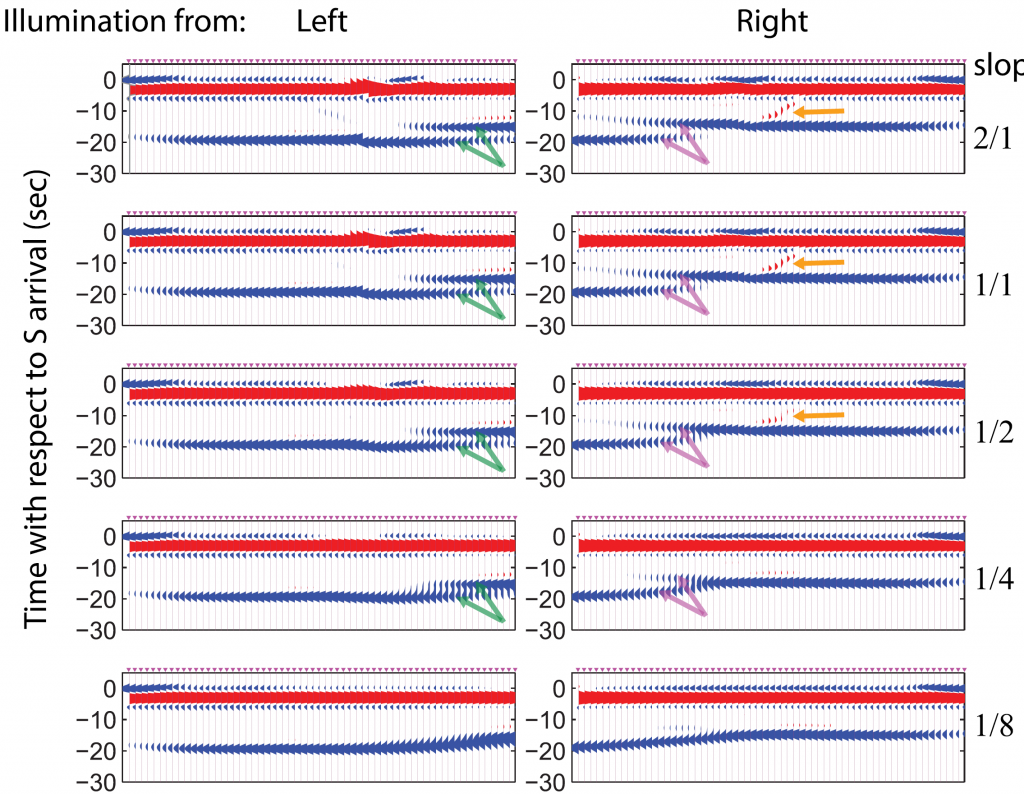
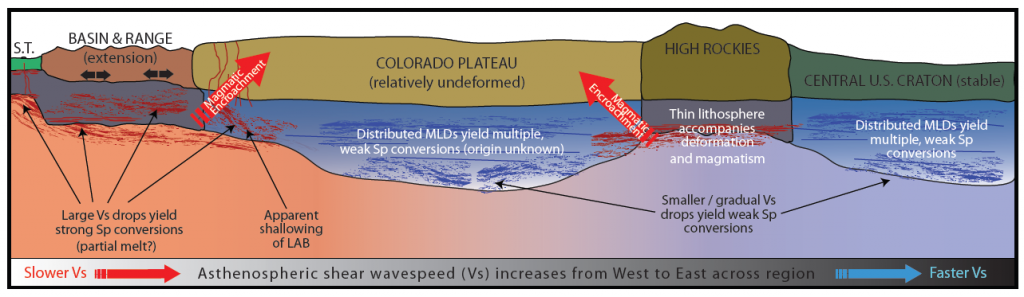
Conversions of shear waves (S) to compressional waves (P), often analyzed as Sp receiver functions, are useful for studying upper mantle layering, and have been used to map upper mantle seismic impedance interfaces in various tectonic settings. Recently, common conversion point stacking of Sp receiver functions has revealed variations of lithospheric thickness across short horizontal

Things to consider when interpreting Sp receiver functions… Read More »

Improvement in P-wave tomography due to EarthScope

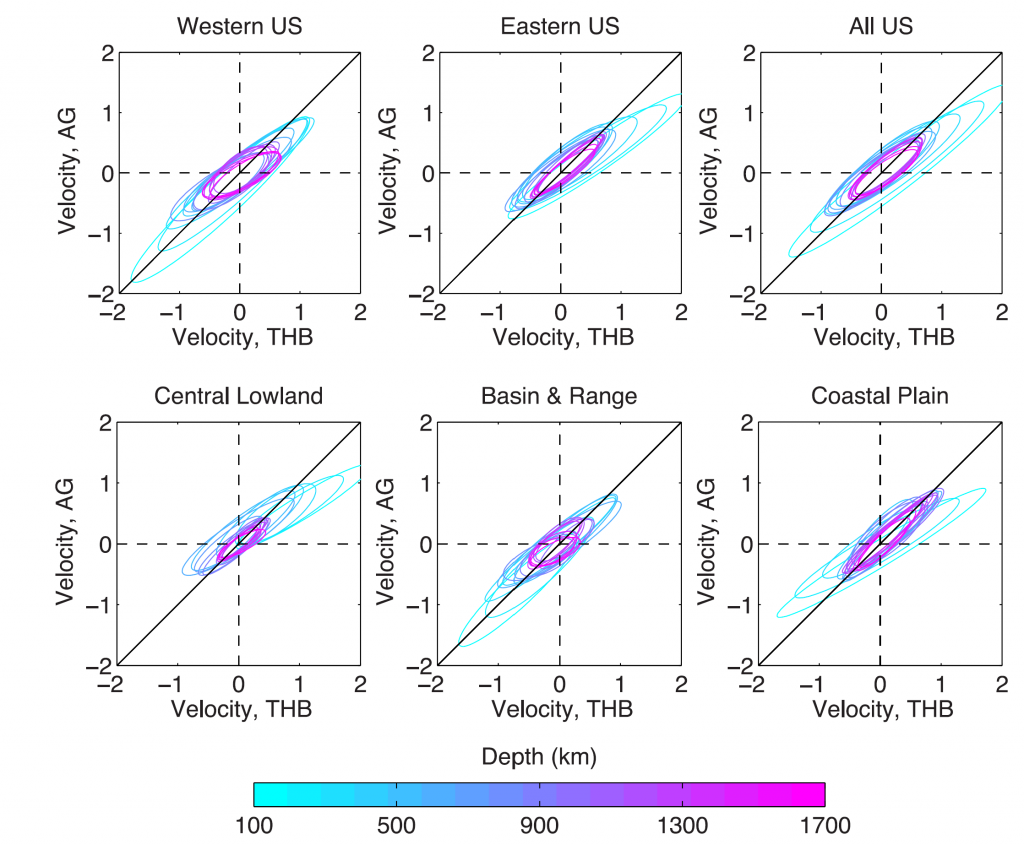
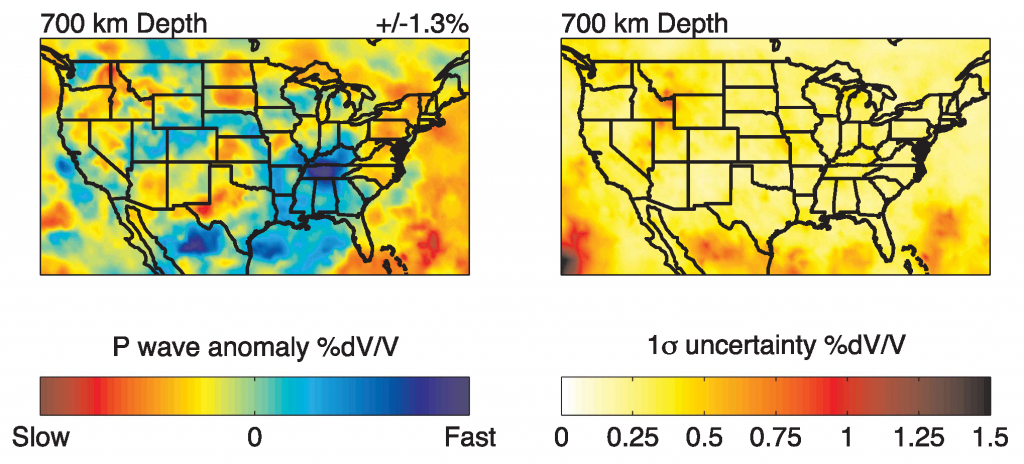
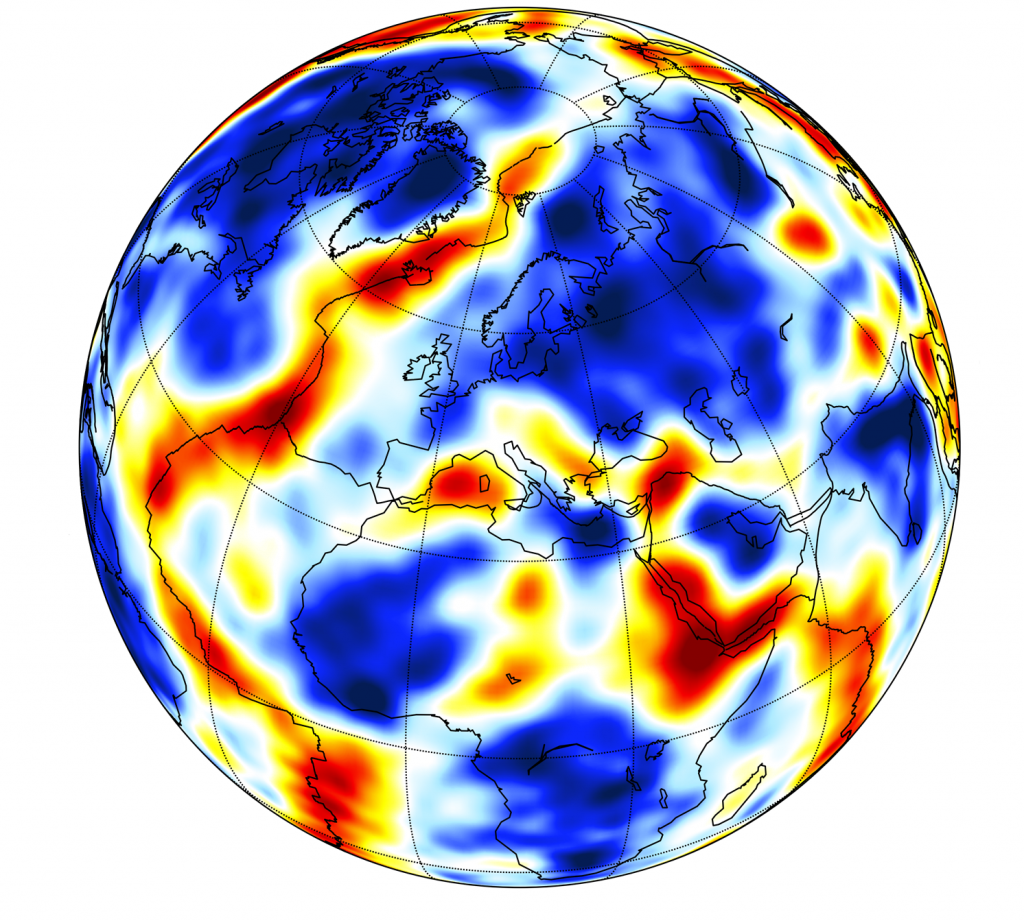
The EarthScope project has been described as the Apollo program of the solid Earth community. It has enabled an unprecedented investment in seismic instrumentation, and the creation of a uniform and high-quality network covering the United States. Data collected by this network transformed our ability to image the continent and what lies beneath it. In

Improvement in P-wave tomography due to EarthScope Read More »

Viscosity increase in the Earth’s mid mantle

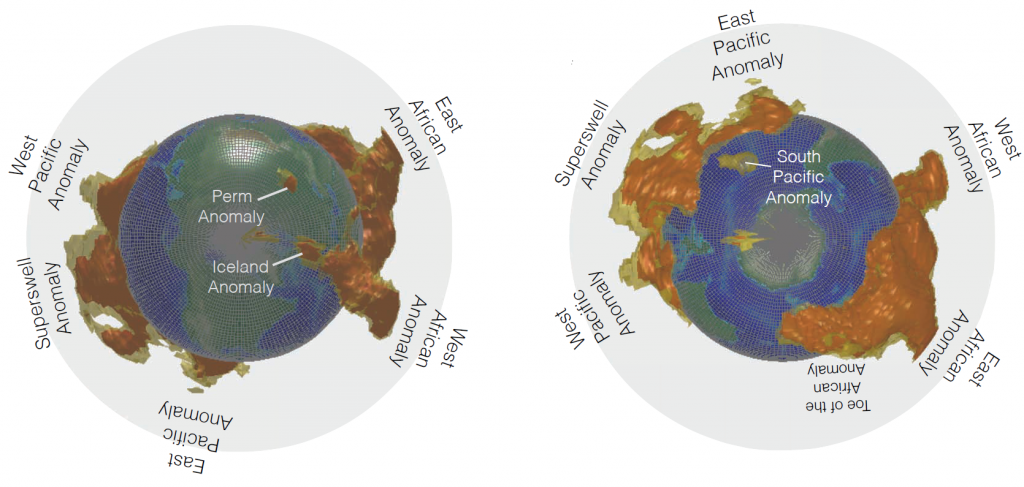
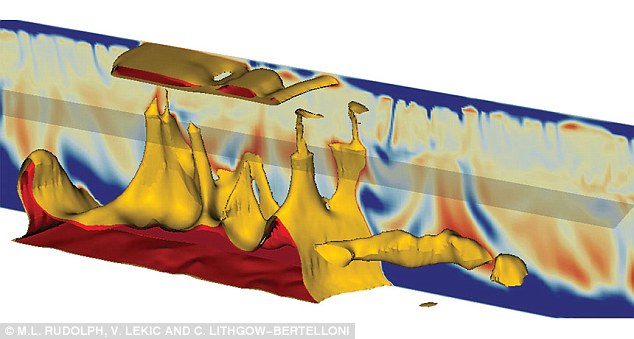
Together with collaborators Max Rudolph at Portland State University and Carolina Lithgow-Bertelloni at University College London, we used a novel inversion framework to detect the presence of an increase in viscosity in the Earth’s mid mantle. As Science magazine put it: A mysterious mid-mantle slowdown The viscosity of Earth’s deep interior plays a key role

Viscosity increase in the Earth’s mid mantle Read More »

Lithospheric thinning beneath rifted regions of Southern California

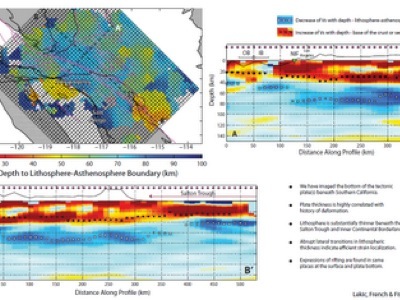
Conversions of teleseismic shear (S) waves to compressional (P) waves across velocity interfaces (such as the Moho or the lithosphere-asthenosphere boundary) allow us to map out variations in plate thickness across Southern California. Anomalously thin lithosphere is observed beneath rifted regions, such as the Salton Trough. The stretching and break-up of lithosphere through a process

Lithospheric thinning beneath rifted regions of Southern California Read More »

Scroll to Top